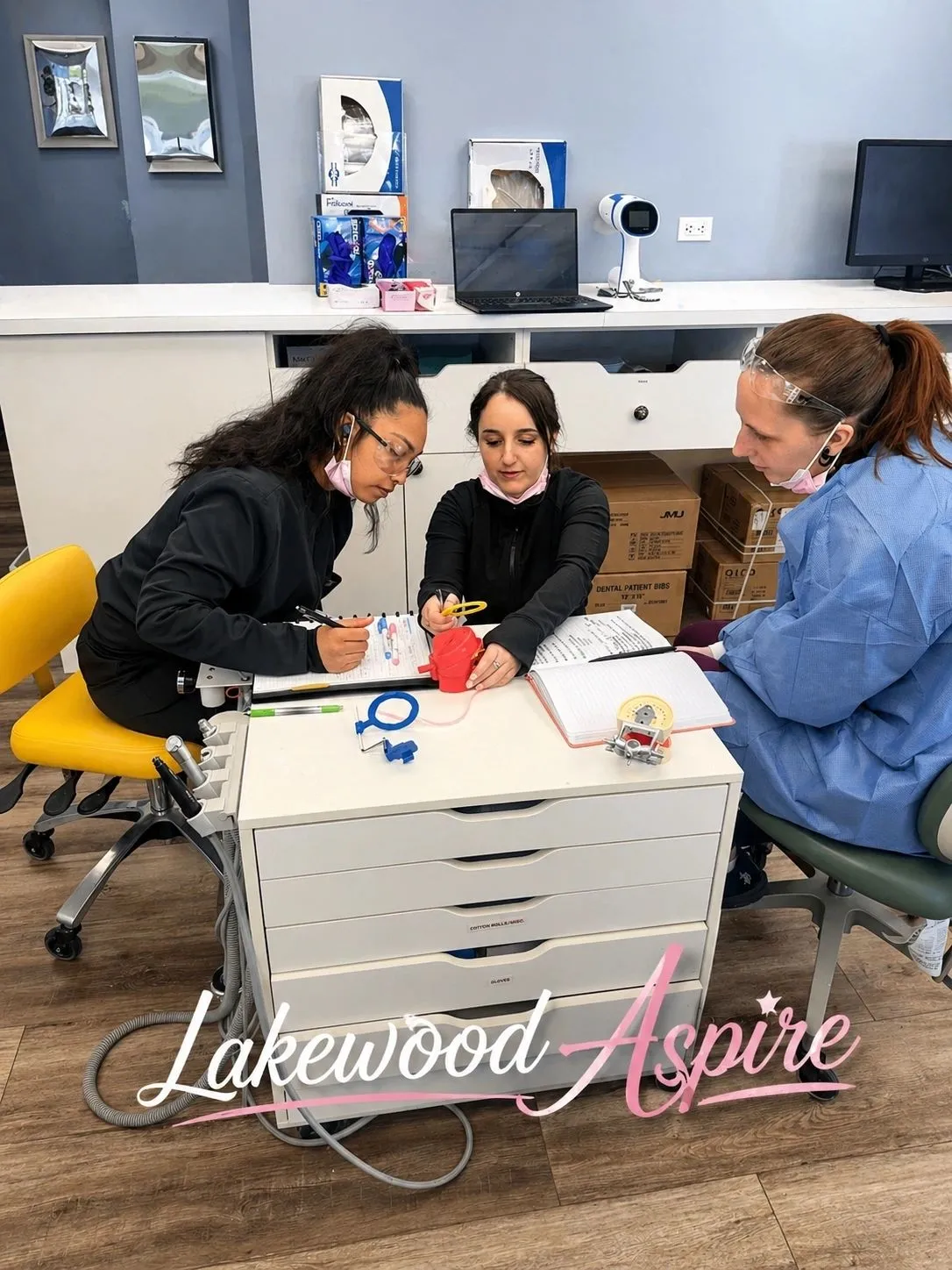
Dental assisting is a career in which knowledge must eventually become action. Students can learn terminology, procedures, safety principles, and dental anatomy through reading or online lessons, but they also need opportunities to practice how those ideas work in a clinical setting. That is why hands-on training is one of the most important features to compare when choosing a dental assistant program.
Practical training does not replace theory. Instead, it gives students a place to connect what they have studied with the movements, routines, and decisions that happen around the dental chair.
Learning to Work With Instruments
A diagram can show the shape and purpose of an instrument, but using it correctly requires familiarity. Students need time to recognize common instruments, organize them, transfer them safely, and return them to the appropriate place.
Prospective students comparing Dental Assistant Classes in Philadelphia should ask what happens during in-person sessions. Are students only watching demonstrations, or do they practice the skills themselves? How much instructor feedback is provided?
Repeated practice helps students become more efficient without rushing. It also makes it easier to understand why a well-organized tray and treatment room can support the entire clinical team.
Building Chairside Coordination
Dental assistants often have to observe the procedure, anticipate the next step, manage materials, and support the dentist without interrupting the flow of treatment. This coordination develops over time.
Hands-on training gives students a controlled place to learn positioning, instrument transfer, suction, moisture control, and room setup. At first, each action may feel separate. With practice, students begin to see how the tasks connect.
That sense of sequence can reduce hesitation and help students feel more prepared when they first enter a real dental-office environment.
Developing Reliable Infection-Control Habits
Infection control is not a topic that should remain theoretical. Students need to practice the sequence of putting on and removing protective equipment, handling contaminated instruments, cleaning treatment areas, and preparing items for sterilisation.
The value of repetition is especially clear here. A student should not have to stop and rethink every basic safety step once the clinic becomes busy.
A student searching for a Dental Assistant Certification Program Havertown residents can attend should look beyond the word “certification” and ask exactly how safety procedures are taught, practised, and assessed. Students should also confirm what credential the school itself awards and whether separate state requirements apply.
Becoming Comfortable With Dental Materials
Dental materials can behave differently depending on how they are mixed, timed, stored, or handled. Students may learn about impression materials, restorative products, temporary materials, cements, and other commonly used items.
Practical sessions allow students to experience texture, timing, and handling instead of only reading instructions. This matters because small differences in preparation can affect whether a material is easy to use during a procedure.
A training environment also gives instructors the chance to correct technique before poor habits become routine.
Practising Professional Communication
Hands-on education is not only about equipment. It also creates opportunities to practice communication.
Students can learn how to introduce themselves, explain simple steps to a patient, respond to an instructor, and communicate clearly with a dentist or another assistant. These interactions can be practised alongside technical exercises so that communication becomes part of the workflow rather than a separate topic.
Professional behaviour includes listening, respecting patient privacy, staying calm and asking for help when something is unclear.
Turning Mistakes Into Learning
Students often worry about making mistakes during practical training. Yet supervised practice is exactly where mistakes should be identified and corrected.
An instructor can point out an unsafe grip, an inefficient setup, a missed infection-control step, or a communication issue before the student enters employment. Feedback is most useful when students are willing to repeat the task and apply the correction.
Students need enough opportunity to ask questions and demonstrate skills rather than simply observing others.
Conclusion
Dental assistant education works best when theory and practice support each other. Classroom or online learning can explain why a procedure is performed, while hands-on training helps students understand how to carry out their role safely and efficiently.
Before choosing a program, students should ask detailed questions about the amount and type of practical experience provided. The objective is not merely to finish a course. It is to leave with stronger clinical habits, better coordination, clearer communication, and the confidence to continue learning in an entry-level dental assisting position.